Skip to content

Nobody wins a supermarket. That is the whole appeal. You open a shop with two shelves and a till, and forty minutes later you have a bakery counter, three staff and a vague feeling that the car park needs work. There is no boss and no clock counting down to a game over, just a list of things that could be slightly better. After a day of actual work, that is more restful than any shooter.
The games in this corner of the site split into two families that look alike on a thumbnail and play nothing alike. One kind wants you present, and it stalls the moment you look away. The other keeps earning while you make a cup of tea, and the only decision it asks of you is what to buy with the pile that built up in your absence. The right habits for one are the wrong habits for the other.
What follows groups the games by how much of you they need, flags the ones that quietly become a second job, and gives one management habit per section. Everything is free and loads in a tab with no account.
Sims that reward attention
A proper management sim pays you for watching. Supermarket Simulator Dream Store is a clear example here. You design and decorate the shop, hire and train staff, and manage orders and discounts, and the supermarket grows with each new day. A game like this pays the player who keeps making decisions.
Gas Station - Stick Simulator moves the idea to a petrol station, and it's free and runs in the browser, so it's a quick one to try. Cauldron Counter is another free simulation game in the same spirit, this time with a cauldron in the name.
The habit for this family: reinvest early. The first money you make goes into whatever shortens the cycle, a faster till, an extra station, one more pair of hands. Not the nicer floor tiles. Decoration is a reward for a shop that already runs; buying it first is how a shop stays small.
Idle games that reward walking away
An idle game is the opposite bargain. Supermarket Expert Idle shares a theme with the game above but is an idle game: you start small, upgrade facilities and expand, with simple controls. Games of this type keep earning while the tab sits behind your email, and when you come back the question is which upgrade to pay for.
Idle Craft 3D gives the waiting something to look at. You rebuild your home, recruit workers and summon elders to manage their fatigue, and progress continues while you are idle, so coming back to a place further along is part of the appeal.
The habit: automate the boring task first. Most idle games have one action you are doing by hand that a cheap upgrade could do for you, and until you buy it the game is a clicker in a nicer coat. Take the automation before the thing that multiplies income.
The calm ones
Some of these are quiet in a way the rest of the site is not. Car Mechanic Simulator 2025 is about restoring forgotten, rusted cars: restoring engines, hunting rare parts and painting the result. Bus Driver Simulator 3D has a race mode, which you can ignore, and a free mode, which is the calm one: a city with traffic and weather, and a bus to drive through it.
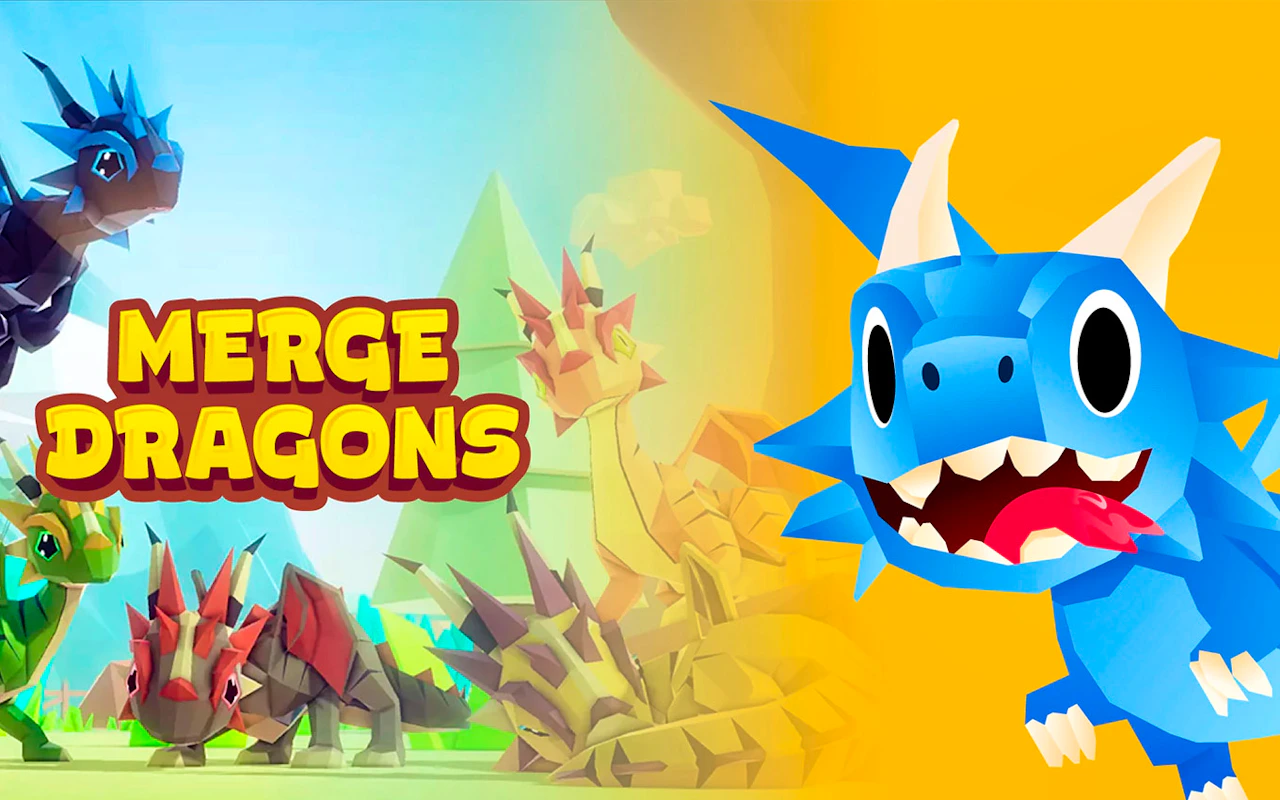
Merge Dragons is a merge game: you combine dragons to discover new species, with simple controls. Merging is a kind of tidying, and tidying is calm.
The habit for a calm sim: finish the day before you stop. If a sim only saves at the end of a cycle, quitting mid-shift means starting next time in the mess you left. End on a clean counter and the game is a pleasure to come back to. End on a queue and it is homework.
The ones that turn into a chore
The warning sign is a meter you cannot keep up with. Prison Break Architect Tycoon is a building game with a nightly siege. The inmates try to escape, and you spend your time on defences, staff and resources. Tycoon games like this turn into repair work once upgrade costs outrun income and each night goes on patching the same gap. Dungeon Master - Cult & Craft has a similar shape with stickmen and a cult: you extract resources, expand the dungeon and nurture the followers, so there is always something to spend on. Emergency Dispatcher 911 is the most pressured of the three, with high-pressure decisions and aid to dispatch. It is not a calm game, whatever the category label says.
The habit: fix one bottleneck per session. When everything needs attention at once, pick the slowest part of the loop, repair only that, and let the rest fail for ten minutes. Try to serve every meter and you serve none of them, and the game is counting on it.
Short sessions and long ones
Idle games are built for a browser tab you keep open behind other things. Check in every half hour, spend, leave. An hour of attention is wasted on them; you will be watching a number climb, and the number does not care.
The attention sims want the opposite. In management games like Dream Store, the interesting decisions tend to arrive once there is a queue and money in the till at the same time, so give them a proper sitting. The prison and the dispatch desk are pressured games and want time you have set aside, the kind of time and mood matching our guide to choosing the right game goes into properly.
The habit: decide the session's goal before the first click. "Reach the second till" is a goal. "Play for a bit" is how an idle game eats an afternoon.
When to stop
Games like these often hook you the same way. The next upgrade is always just out of reach, and the gap is tuned to feel like one more minute. It is never one more minute.
The honest test is to ask what the next purchase changes. If it shortens the loop, buy it and keep going. If it makes a number bigger and nothing else, the game is asking for your time rather than earning it, and the right response is to close the tab. The sims here that are about planning rather than waiting overlap with our strategy games for brain training list, the next thing to read if the deciding was the part you liked.
Open Dream Store, run one in-game day without buying anything decorative, and write down the slowest part of your shop. Fix that one thing tomorrow. That is management, and most of what these games teach.
BengaliPath Editorial
Published October 28, 2026 · 6 min read